Best clinics for double-eyelid surgery in Gangnam
Curated short list of clinics that do reliable, natural-looking double-eyelid (blepharoplasty) work in Gangnam.
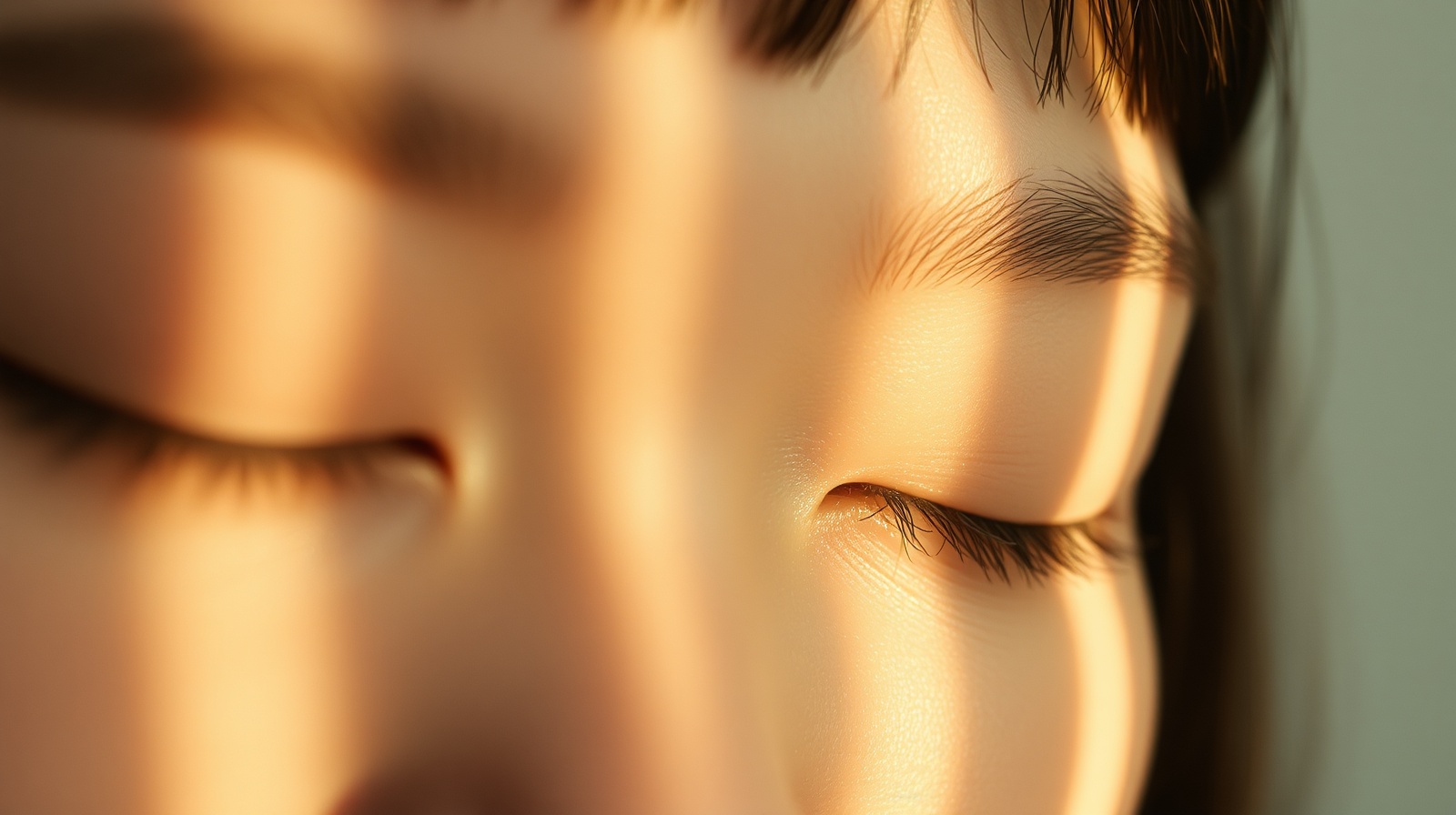
Double-eyelid surgery (Asian blepharoplasty) is Korea's most-requested cosmetic procedure, over 200,000 done per year. The technique is standardized enough that a competent surgeon at any tier-vetted clinic can deliver a good result. The differentiators are technique selection (incisional vs non-incisional vs partial) and aesthetic sense.
The shortlist
Girin PS
gold · Seocho9.1/10 on GangnamUnni · 2,359 verified reviews · searched-for by name.
Full clinic profile →Sugar PS
gold · Seocho9.5/10 on GangnamUnni · 1,726 verified reviews · searched-for by name.
Full clinic profile →Pitangui Clinic
gold · Gangnam8.8/10 on GangnamUnni · 1,741 verified reviews · searched-for by name.
Full clinic profile →Realistic budget
Non-incisional / suture: $1,000–$2,200. Incisional: $1,800–$3,500. Add $400–$900 for epicanthoplasty (inner-corner) if combined. Add $600–$1,400 for lateral canthoplasty (outer-corner).
Recovery timeline
- Days 1 to 3: Significant swelling; ice constantly.
- Day 7: Stitches removed (incisional); 60% of swelling resolved.
- Weeks 2 to 4: Look acceptable in photos; final shape still settling.
- Months 3 to 6: Final fold height stabilizes.
7 to 10 days in Seoul is the standard recovery window. You can fly home after stitch removal but you'll look swollen for several more weeks.
What separates the best double-eyelid clinics
The procedure is standardized enough that most Gangnam clinics can produce an acceptable fold. The clinics on the list above produce a fold that matches the rest of your face, which is a different problem.
- They map your lid before they cut. Top clinics spend the first half of the consult on calipers and pen-marking, not selling. The pre-op drawing is the surgery.
- They have a documented preference for the lower fold heights. A 6mm fold rarely ages well; the best surgeons default to the 4 to 5mm range unless your anatomy demands otherwise.
- They will say no to epicanthoplasty. Inner-corner work is the most-upsold add-on in Gangnam, and the most regretted. The clinics that decline when your anatomy doesn't need it are the clinics to keep on the list.
- Their portfolio shows healed twelve-month results, not Day 30. Most clinics post Day 30 to Day 60 photos because they look best. Insist on the twelve-month set.
- Conservative ptosis correction. If the surgeon is also addressing levator weakness, they have a protocol for asymmetry adjustment at three months. If they don't, ask why.
Real prices, all-in
| Procedure | Budget | Typical | Premium |
|---|---|---|---|
| Non-incisional / suture | $900 – $1,300 | $1,300 – $1,800 | $1,800 – $2,400 |
| Partial incisional | $1,400 – $1,900 | $1,900 – $2,600 | $2,600 – $3,400 |
| Full incisional | $1,800 – $2,400 | $2,400 – $3,200 | $3,200 – $4,200 |
| + Epicanthoplasty | + $300 – $500 | + $500 – $750 | + $750 – $1,000 |
| + Lateral canthoplasty | + $500 – $800 | + $800 – $1,200 | + $1,200 – $1,600 |
| + Ptosis correction | + $400 – $700 | + $700 – $1,100 | + $1,100 – $1,500 |
Common variants beyond the three techniques
- Out-fold vs in-fold. An in-fold sits closer to the lash line and reads subtler; an out-fold sits wider and reads more "Western." Out-folds are harder to get right on Asian lid anatomy and age less gracefully.
- Parallel vs tapered. Parallel folds run a constant height across the lid; tapered folds taper toward the inner corner. Tapered is the more natural look for most Asian eyes.
- Ptosis correction. If your upper lid sits low (covering more iris than it should), the surgeon strengthens the levator muscle at the same time as creating the fold. This is genuinely separate surgery and adds risk.
- Revision blepharoplasty. Reopening a prior fold (too high, asymmetric, faded suture work). Treat as a separate specialty; not every primary eyelid surgeon does revisions well.
- Lower-lid work. Bag removal or fat repositioning. Often bundled, often unnecessary at first surgery; let it be a separate decision a year later.
What a good outcome looks like, by month
- Week 2. Fold is visible but high and tight; eyes look surprised in photos.
- Month 3. Fold has settled to roughly 80% of its final height; scar still pink.
- Month 6. Final fold height. The eye looks open without looking "operated."
- Month 12. Scar fades into a thin line that disappears under makeup and reads invisible at conversational distance.
- Month 24. The "did you have anything done?" test. A good result passes; an over-resected one starts to look hollow.
"A good double-eyelid surgery opens your eyes. A bad one turns them into someone else's."
Questions to ask at the consult
- For my lid anatomy specifically, which of the three techniques do you recommend, and why not the other two?
- What fold height (in millimetres) are we agreeing to, and where exactly is the line drawn?
- Do I need epicanthoplasty or lateral canthoplasty for a balanced result, or is that an upsell?
- Will the surgery address any ptosis I have, or is that a separate decision?
- Can I see twelve-month healed photos of patients with my lid type (single eyelid, partial fold, thick skin, thin skin)?
- What is the scar revision policy if the line is uneven at six months?
- What is your reoperation rate for asymmetry at three months, and how is it priced?
- What anesthesia, sedation only or general, and who administers it?
Red flags during the consult
- Push for the highest fold height "because Western eyes are like that." Your face is not Western anatomy.
- Aggressive bundling of epicanthoplasty and lateral canthoplasty regardless of need.
- "Buy two get one" package pricing across multiple facial areas.
- No discussion of lid asymmetry, every set of lids is slightly asymmetric, and the plan should address that.
- The portfolio shows only fresh post-op photos.
- The surgeon will not commit to a specific technique before you pay the deposit.